Lens Surgical Treatment Clarified: Necessary Details


Content Author-Hubbard McLain
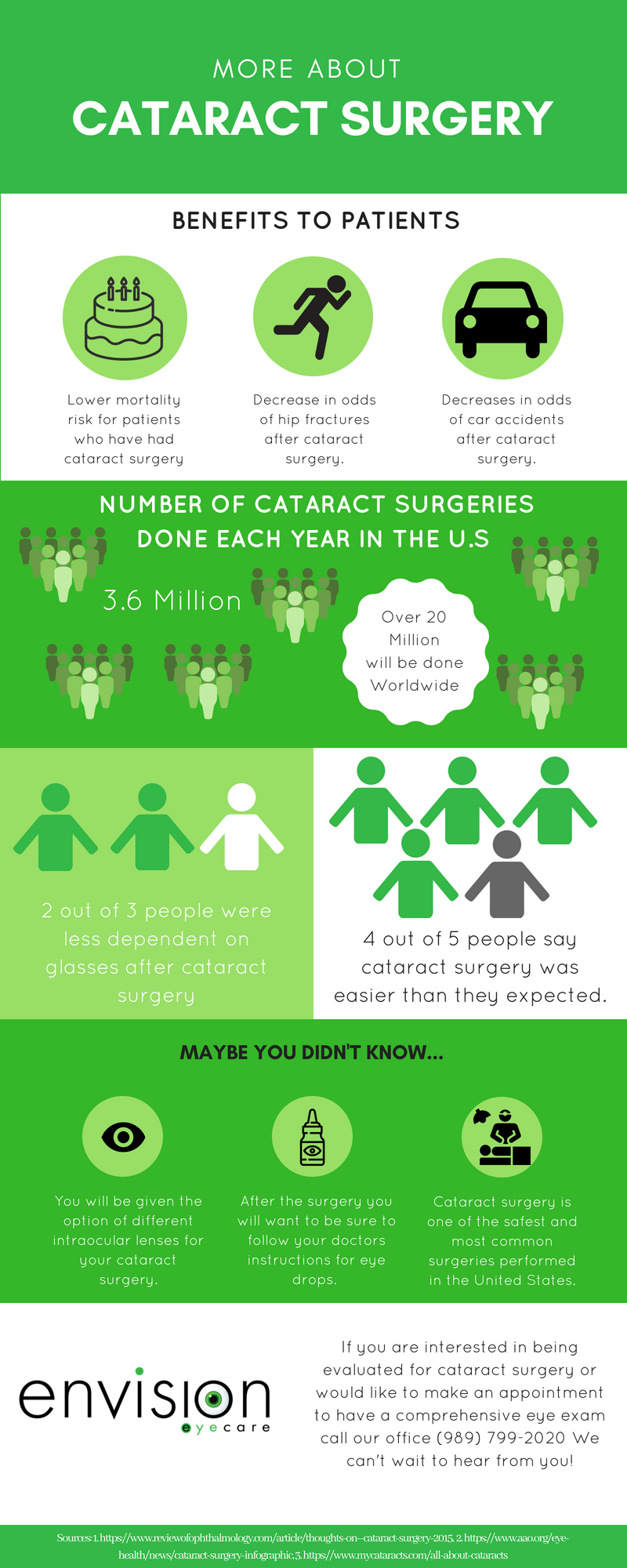
If you've been struggling with vision issues and considering surgical options for fixing your vision, you may have come across lens replacement surgery. This cutting-edge procedure, often referred to as custom lens replacement, offers a fix for a variety of vision problems, including presbyopia, extreme nearsightedness, and including cataracts. Grasping the details of lens replacement surgery can greatly enhance your decision-making process, helping you to weigh the benefits and risks associated with this advanced medical intervention.
In this comprehensive guide, we will delve into the essential aspects of lens replacement surgery. From what to expect during the procedure to recovery timelines and candidacy requirements, we will provide you with the information needed to make an informed choice about your vision. If you are exploring the advantages of premium lens options or comparing lens replacement with other treatments like LASIK, this article aims to demystify the process and provide clarity on what lies ahead.
Understanding Intraocular Lens Replacement Surgery
Intraocular lens exchange, also known as lens replacement surgery, consists of extracting the eye's intrinsic lens and changing it with an synthetic intraocular lens. This procedure is typically carried out to treat sight issues such as presbyopia, farsightedness, or severe myopia. It is an efficient solution for those who are not necessarily suitable candidates for LASIK and aims to provide permanent vision correction.
One of the primary benefits of lens replacement surgery is the possibility to customize the lens according to the individual's unique sight needs. There are various premium lens options available, including lenses that accommodate vision changes and extended depth of focus lenses, which can improve visual clarity at different distances. This customized method doesn't only betters vision but can also reduce reliance on spectacles or contact lenses.
Although lens replacement surgery is mostly safe, it is crucial to comprehend the potential risks and complications associated with the surgery. Lens Replacement Vs Lasik include inflammatory response, irritation, and the possibility of visual disturbances. A thorough consultation with a qualified surgeon is necessary to assess candidacy for surgery and to establish feasible expectations regarding results and healing times.
Lenses Replacement Eligibility and Expenses
Establishing if you are a suitable candidate for lens implant replacement involves several essential factors. Typically, individuals over the age of 40 who experience presbyopia or have been diagnosed with high prescriptions such as myopia or farsightedness may gain from this procedure. Additionally, those with slim corneas or who are seeking alternatives to laser vision correction are often evaluated for lens replacement. A thorough evaluation by an experienced lens specialist will help determine your eye health, visual requirements, and overall fitness for the operation.
The price of lens surgery differs depending on several factors, including the type of lenses selected, the surgeon's expertise, and the area of the clinic. https://drive.google.com/drive/folders/1XoFdWolv761TtBxV7GpiRpNFA3IyZZUY?usp=sharing , such as adjustable lens implants or extended depth of focus lenses, can raise the overall cost. On average, patients can anticipate to pay between 3,000 thousand to 5,000 thousand dollars per eye for the operation. It is important to discuss the monetary aspects during the first meeting to comprehend what is included in the total cost.
Many patients are astounded to discover that various financing options are accessible to help manage the costs related with lens surgery. Some clinics offer installment plans, which can be interest-free, making the operation more affordable. Additionally, using health savings accounts (HSA) or adaptable spending accounts (FSA) can also alleviate the monetary burden. It's advisable to ask about all available payment options and any potential tax-related deductions related to vision correction procedures during your appointment.
Advantages and Risks of Lens Exchange
Lens replacement surgery offers several significant benefits, especially for people seeking freedom from eyeglasses or contact lenses. One of the key benefits is the possibility for permanent vision correction. Unlike LASIK, which reshapes the cornea, lens replacement directly addresses vision problems by substituting the natural lens with an synthetic intraocular lens. This procedure can effectively treat a variety of vision issues, including presbyopia, and enables customization with premium lens options that can enhance visual acuity and range.
However, like any surgical procedure, lens replacement comes with its own of risks. Potential complications can include contamination, hemorrhage, or negative responses to anesthesia. Additionally, some patients may experience side effects such as glare, halos around lights, or difficulty with night vision. While the majority of complications are minor and manageable, it is crucial for candidates to have realistic expectations and to be aware of these possible outcomes during the consultation process.
Overall, the decision to undergo lens replacement surgery should be made after carefully weighing the advantages against the disadvantages. Consulting with an knowledgeable lens replacement surgeon can provide personalized insights and recommendations based on individual eye health and lifestyle needs. Understanding both aspects will help patients determine if this procedure meets their objectives.
Recovery and Post-Operation Anticipations
After lens replacement surgery, patients typically experience a healing timeline that differs based on personal factors and the specific type of lens used. At first, it is common to have some discomfort, mild pain, or blurry vision as the eyes begin to heal. Many patients notice significant visual improvement within just a few days, but it is essential to follow the surgeon's aftercare instructions carefully for the best results.
During the first week post-surgery, activities such as reading or watching television can usually be resumed, although patients are advised to avoid strenuous exercise and heavy lifting. It is crucial to attend follow-up appointments to monitor the healing process and discuss any concerns. Over the following weeks, vision should steadily improve, and any lingering side effects, like sensitivity to light or dry eyes, often resolve as recovery progresses.
Full recovery from lens replacement surgery usually occurs in a month, but the final stabilization of vision may require additional time. Patients should remain aware of any unusual symptoms and contact with their surgeon if they arise. Participating in regular routine activities will become more comfortable, and the benefits of improved eyesight will gradually enhance daily life, allowing individuals to fully appreciate the outcomes of their surgery.